Air Fryer Buying Guide 2026: What Actually Matters (And What's Marketing)
Wattage and basket shape decide how an air fryer cooks. Smart apps, AI presets and dehydrate modes mostly do not, and this guide says which is which.
The air fryer market is broken
Air fryer boxes promise "smart cooking," "AI presets," and "restaurant-quality results." Put the spec sheets side by side and most of those promises have no number behind them at all.
Wattage is the spec that separates these, and basket shape is the one you have to read off the listing yourself. Here is how to do both.
5 things that matter
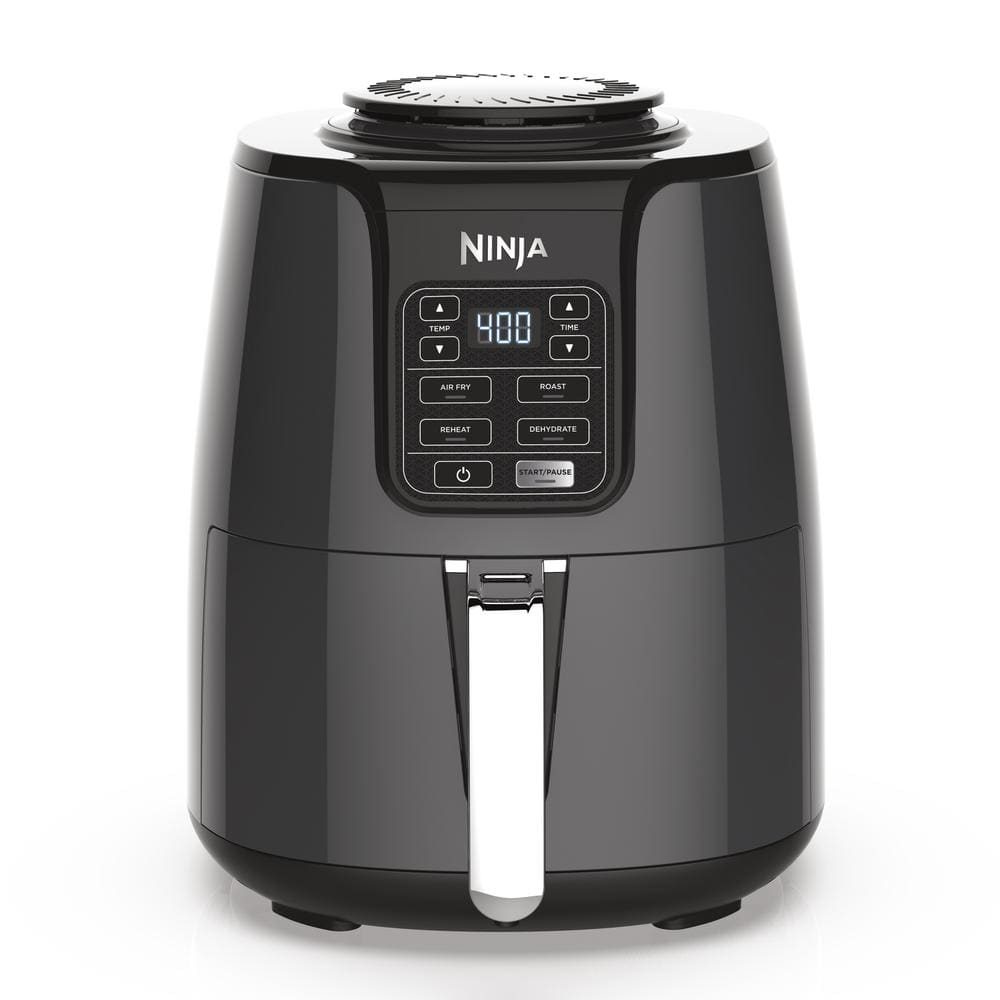
- ▸Wattage: 1500W is the line this guide draws. Ninja rates the AF101 at 1550W behind a 4-quart basket, which is the most watts per quart on our air fryer ranking. Watts per quart is the figure to compare, not watts on their own.
- ▸Basket shape: A square basket puts more of its stated quart rating on the floor of the drawer, where food cooks. A round basket of the same rating wastes volume curving up the sides. Compare usable footprint, not the quart number.
- ▸Temperature range: 400°F is the number to look for, and it is printed on the box. A fryer that stops short of it browns more slowly, which is the whole reason you bought one.
- ▸Dishwasher-safe parts: the basket is the part you handle after every single use, so this is the spec you live with rather than the one you read about.
- ▸Size vs. household: 4-quart = 2-3 people. 6-quart = 4-5 people. 8-quart = 6+. Bigger isn't better, oversized air fryers waste energy and cook unevenly if underloaded.
5 things that are pure marketing
- ▸"Smart" app connectivity: it needs an account and a phone to do what a dial does in one turn.
- ▸"AI cooking presets": These are just pre-programmed temperature/time combos. They don't detect food type or adjust cooking.
- ▸Rotisserie attachments: the spit takes up basket volume you paid for, and it is one more part to wash.
- ▸Dehydrate functions: a dehydrator holds a low temperature for hours across stacked trays. An air fryer has one basket. The mode is on the panel; the shape it would need is not.
- ▸"Healthier than deep frying" claims: True, but the same as oven baking. Don't pay extra for "health" marketing.
The Ninja AF101 is our top pick. Ninja rates it at 1550W, which clears the 1500W line this guide draws.
How we compare air fryers
We read the specs each maker publishes, line them up against the closest competitors, and read what owners report after months of use. On the air fryer ranking that comes down to five published numbers:
- ▸Wattage, and watts per quart rather than watts on their own
- ▸Basket volume, and whether the basket is square or round
- ▸Temperature range, specifically whether it reaches 400°F
- ▸Preset count, and whether a preset is anything more than a saved time and temperature
- ▸Which parts the maker says go in the dishwasher
The 1-10 score on our ranking pages is an editorial read of three things: the specifications the maker publishes, the certifications a brand will stand behind, and the pattern in what verified buyers report months later. Every number we quote is attributed to whoever published it, so you can go check it.
The verdict
For most households, the Ninja AF101 is the best choice. It is fast, reliable, easy to clean, and has a simple interface that does not require an app. For families of 4-5, the Cosori Pro II 5.8-quart offers more capacity. Skip the top-of-the-line models unless you specifically need a dual-basket setup.