HomeCategoriesHealth & BeautyElectric Toothbrushes
Health & Beauty · Skincare, haircare, devices & wellness

The best electric toothbrushes of 2026

The best electric toothbrushes, compared on published specs: drive type and speed, pressure sensing, battery life, and the running cost of brush heads.

We compared 11 electric toothbrushes on their published specs: drive type and speed, pressure sensing, modes, rated battery life, and how often the brush heads need replacing. We read the clinical evidence the brands cite, and we read what owners report after a year of twice-daily use. These five earned the highest JellyReviews scores.

Last updated
January 15, 2026
How we rank: published specs, third-party certifications, and what verified buyers report.
§ 01 · Top 5 Rankings

Our top 5 picks for electric toothbrushes

As an Amazon Associate I earn from qualifying purchases.

#1
EDITOR'S CHOICE
Philips Sonicare 9900
Zoom
Philips Sonicare

Philips Sonicare 9900

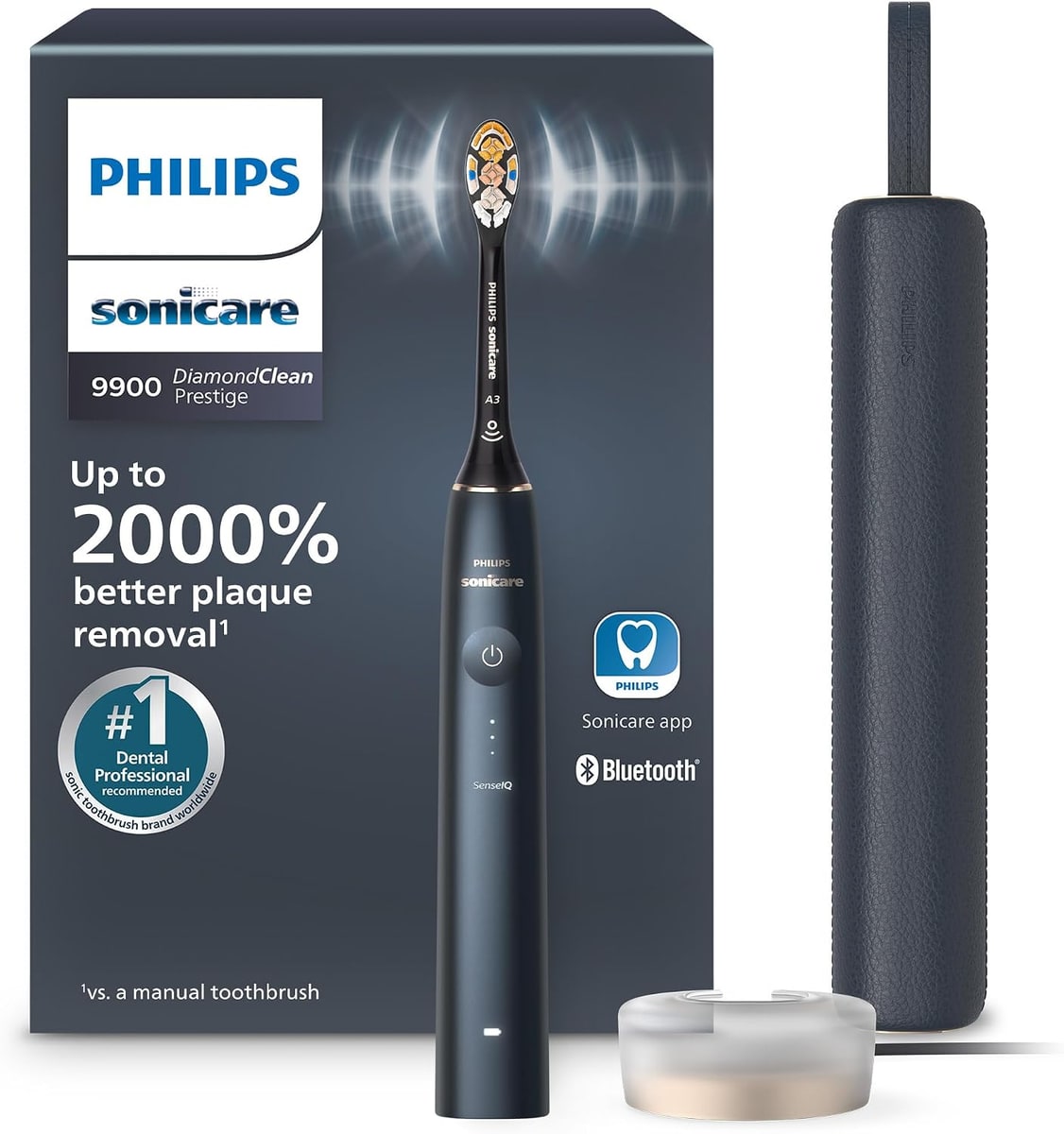
9.4/10JellyReviews Score

The Philips Sonicare 9900 Prestige is the best electric toothbrush here. Philips rates the drive at 62,000 brush movements per minute, the fastest of the five, and the pressure sensor genuinely protects gums: it dials the intensity back when you press too hard. Philips rates the battery at 4 weeks. The trade-offs are the price, the highest of the five, and the gimmicky app that you will pair once and forget. The brush heads are the priciest here, so budget for them.

Pros
62,000 brush movements per minute, the fastest drive here
AI senses brushing pressure and auto-adjusts intensity
4-week battery life (longest of the five)
Travel case charges via USB-C (no separate charger needed)
Cons
The most expensive brush here
The priciest brush heads of the five, replaced every 3 months
App features are gimmicky - you'll use it twice
Where to buy
Amazon
Check Price
We may earn a commission from this link.
#2
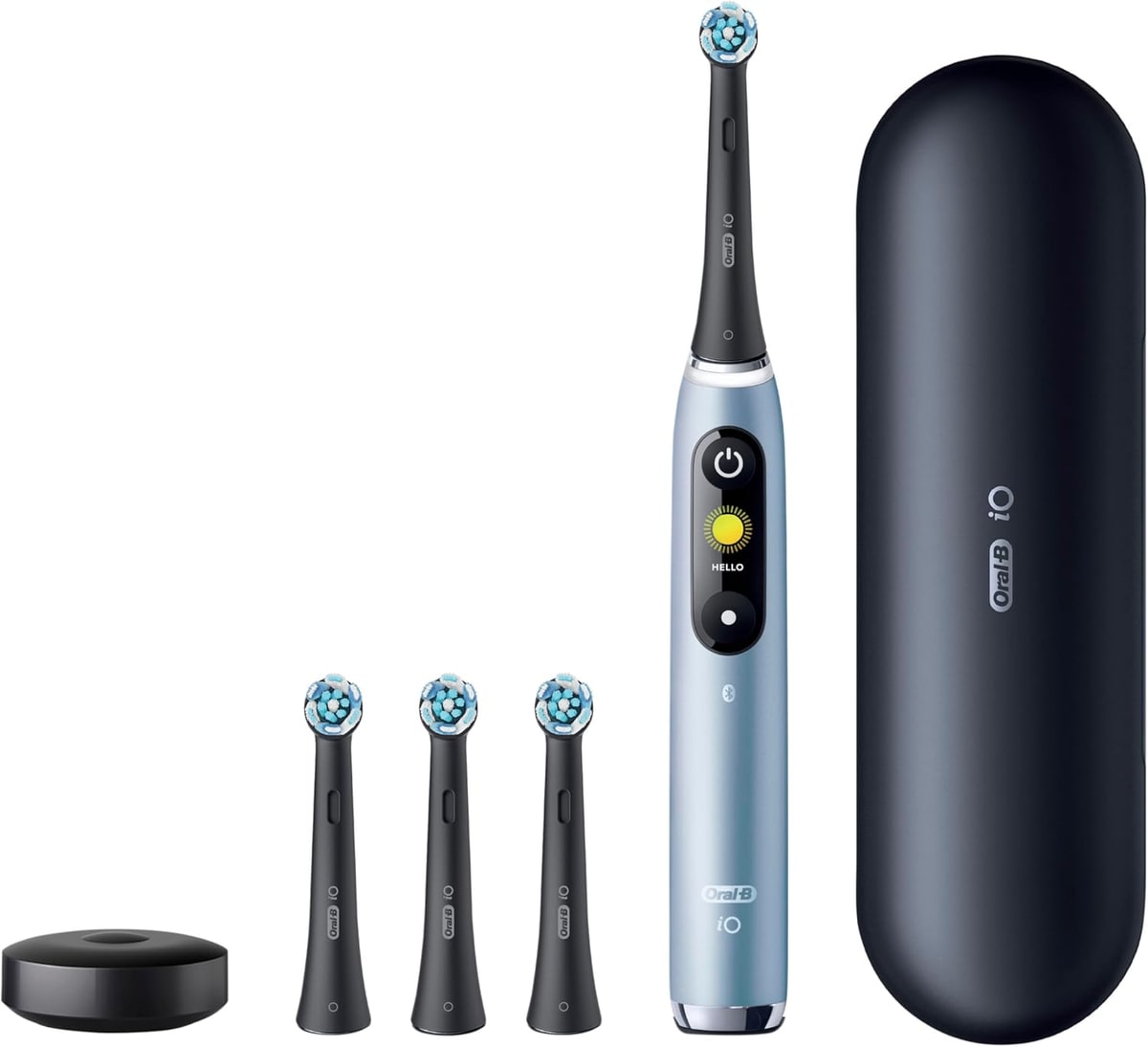
Oral-B iO Series 9
Zoom
Oral-B

Oral-B iO Series 9

9.2/10JellyReviews Score

The Oral-B iO Series 9 is the best electric toothbrush for plaque removal between teeth. The round oscillating-rotating head genuinely cleans surfaces the Sonicare's straight bristles miss. The smart pressure sensor (red/green light) is the most intuitive of the ones here. The trade-offs are battery (Oral-B rates it at 3 weeks against the Sonicare's 4) and handle vibration that some users find uncomfortable. It undercuts the Sonicare 9900 with comparable performance.

Pros
Magnetic drive with an oscillating-rotating round head
Round brush head cleans between teeth better than Sonicare
Smart pressure sensor turns red (hard) or green (perfect) - intuitive
6 modes including a gentle "super sensitive" for receding gums
Cons
3-week battery (1 week shorter than Sonicare 9900)
Vibrates the whole handle - some find it uncomfortable
Brush heads still cost real money every 3 months
Where to buy
Amazon
Check Price
We may earn a commission from this link.
#3
Quip
Zoom
Quip

Quip

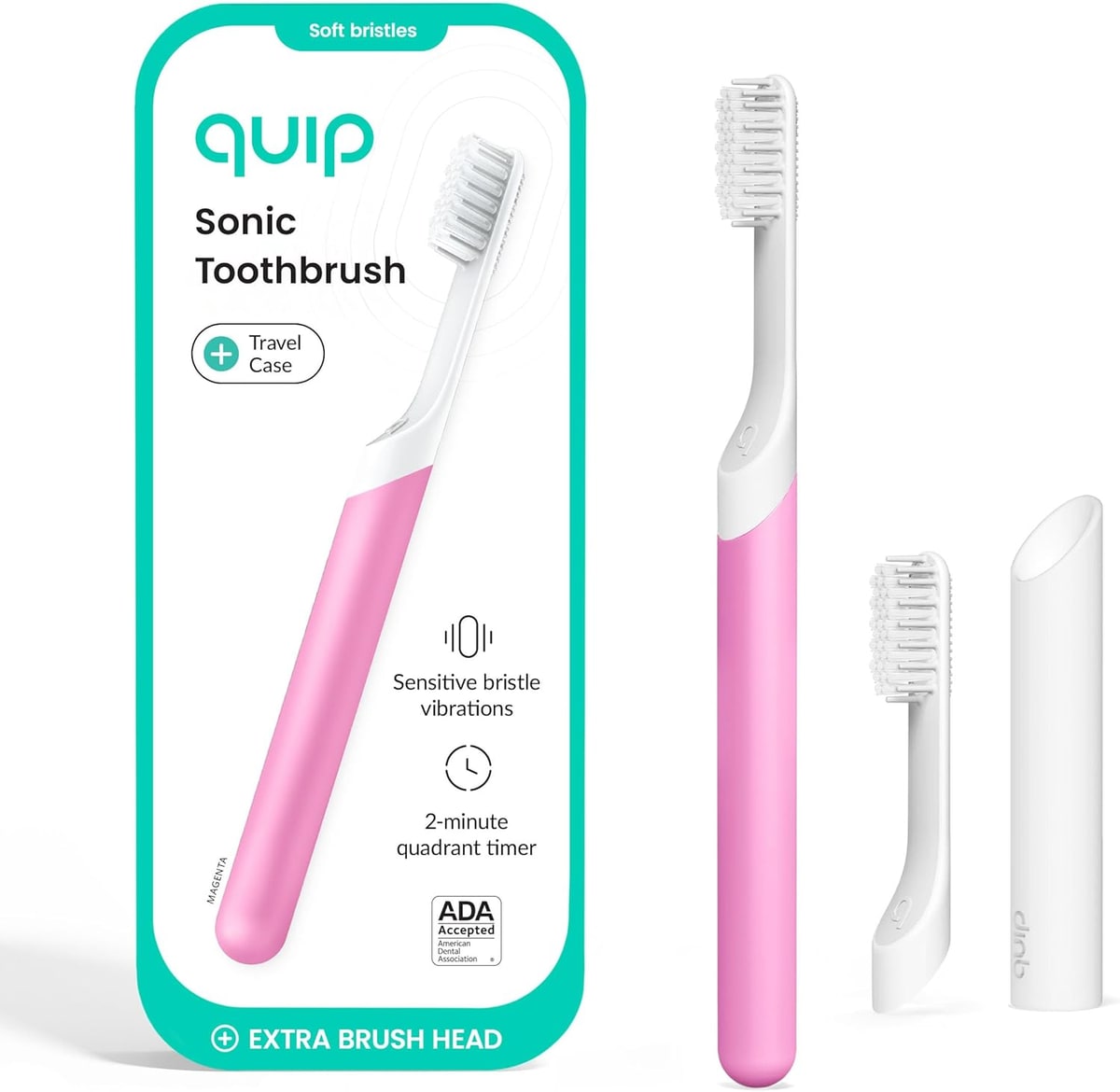
8.5/10JellyReviews Score

The Quip is the cheapest electric toothbrush here. The metal handle and the AAA-battery design (no charging base) are genuinely smart, and they make it the obvious pick for travelers and small bathrooms. Quip rates the battery at 3 months on a single AAA cell. The trade-off is the drive: 15,000 movements per minute against the Sonicare's 62,000. For budget buyers or first-time electric users, it is a good entry point.

Pros
The cheapest brush here, with no subscription required
Sleek metal handle - looks like an Apple product
3-month battery on a single AAA cell
Built-in 2-minute timer with 30-second quadrant pulses
Cons
A much weaker drive than the Sonicare or the Oral-B
Vibrates at 15,000 RPM vs Sonicare's 62,000 - feels weak
No pressure sensor
Where to buy
Amazon
Check Price
We may earn a commission from this link.
#4
Burst Sonic
Zoom
Burst

Burst Sonic

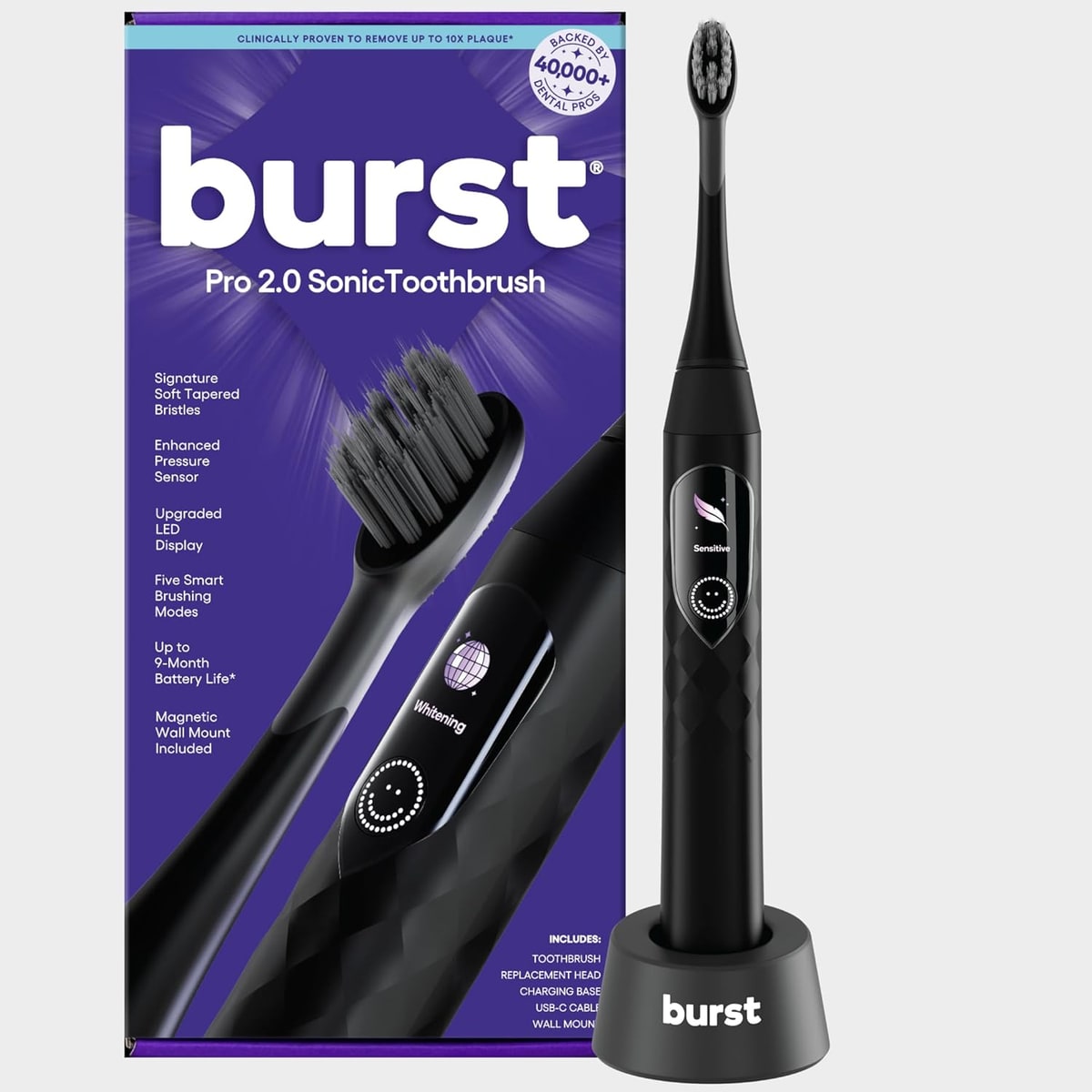
8.3/10JellyReviews Score

The Burst Sonic is the best mid-range electric toothbrush. The 33,000 RPM vibration is closer to Sonicare than Quip, and the charcoal bristles are a real antibacterial upgrade. The 4-week battery matches the Sonicare 9900. The trade-offs are single-mode operation (no sensitive or deep-clean setting) and no pressure sensor. The quarterly replacement-head subscription is convenient, but it auto-charges, so cancel it if you do not need the heads.

Pros
33,000 RPM sonic drive, closer to the Sonicare than to the Quip
Charcoal-infused bristles reduce bacteria buildup
4-week battery life (matches Sonicare 9900)
Subscription delivers replacement heads every 3 months
Cons
No pressure sensor
Only 1 mode (no sensitive or deep-clean options)
Subscription auto-charges every quarter even if you skip a delivery
Where to buy
Amazon
Check Price
We may earn a commission from this link.
#5
BEST BUDGET
Waterpik Sonic
Zoom
Waterpik

Waterpik Sonic

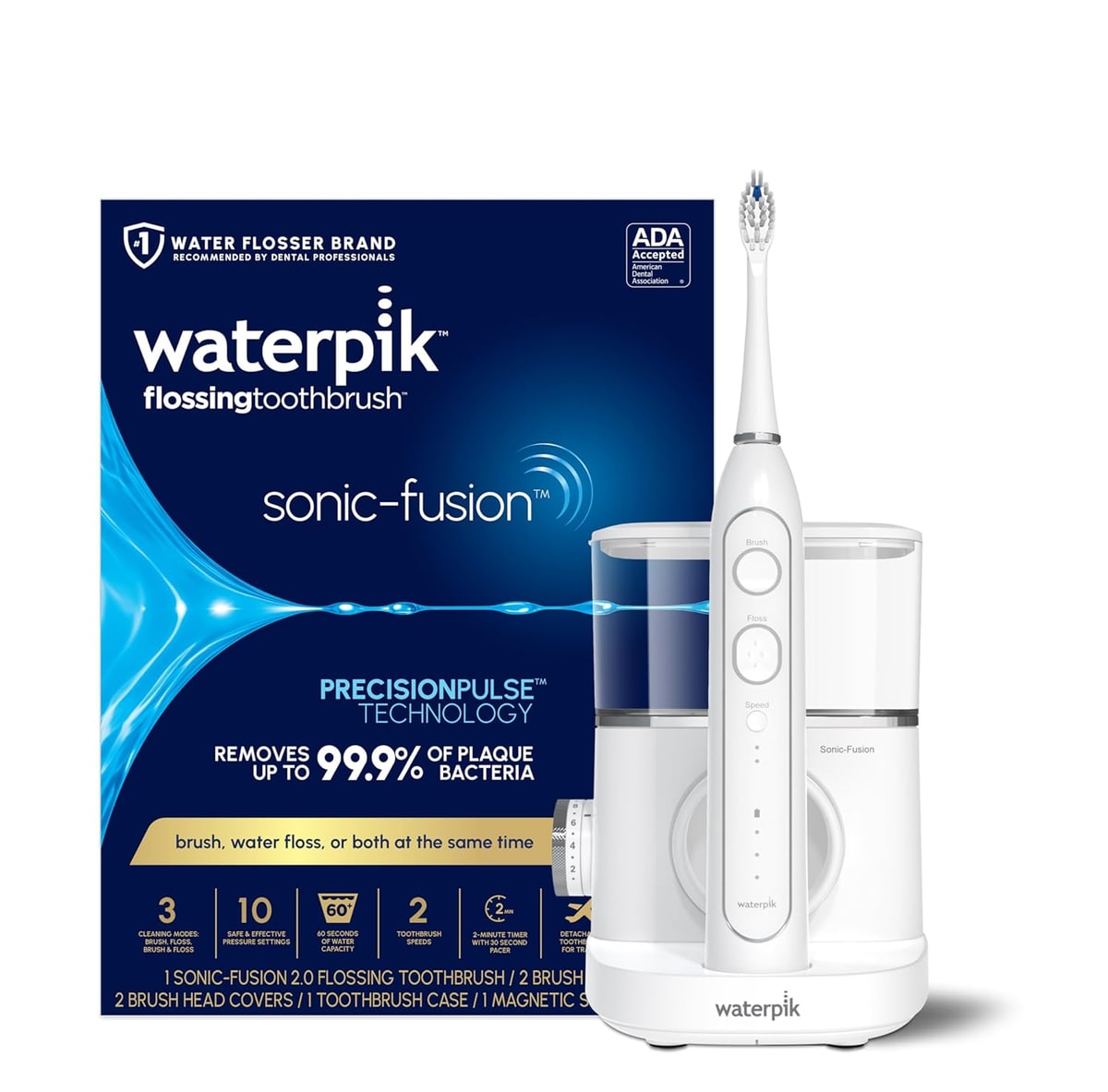
7.9/10JellyReviews Score

The Waterpik Sonic Fusion 2.0 is the best pick for buyers who want a toothbrush and water flosser in one device. The water flosser is genuinely effective - 2x plaque removal vs string floss, ADA-accepted. The 60-day battery rating is the longest of the five here. The trade-offs are brushing performance (weaker than dedicated Sonicare) and the bulky base that dominates the counter. Best for buyers who would skip flossing otherwise.

Pros
Sonic toothbrush + water flosser combo (only one of the five)
Water flosser removes 2x more plaque than string floss (ADA-accepted)
2-in-1 design saves counter space
60-day battery life (longest of the five)
Cons
Brushing alone is weaker than dedicated Sonicare
Water reservoir is small - needs refill mid-floss
Bulky base takes 2x the counter space of a normal brush
Where to buy
Amazon
Check Price
We may earn a commission from this link.
§ 02 · Side-by-side comparison

Compare all 5 at a glance

RankProductBrandScoreBest for
#1Philips Sonicare 9900Philips Sonicare9.4EDITOR'S CHOICE
#2Oral-B iO Series 9Oral-B9.2-
#3QuipQuip8.5-
#4Burst SonicBurst8.3-
#5Waterpik SonicWaterpik7.9BEST BUDGET
§ 03 · Buying guide

How to choose the right electric toothbrushe

01Sonic vs oscillating-rotating: which actually cleans better?

Sonic brushes (Philips Sonicare, Burst) vibrate at 31,000-62,000 RPM with side-to-side motion. They create fluid turbulence that cleans between teeth and below the gumline. Oscillating-rotating brushes (Oral-B iO) use a round head that spins and pulses, physically sweeping plaque off each tooth surface.

Independent studies show both remove 50-75% more plaque than manual brushing. Sonicare wins on gum health and gentleness. Oral-B wins on between-tooth cleaning and stain removal. For sensitive gums, pick Sonicare. For heavy plaque or coffee stains, pick Oral-B. The Quip and Burst sonic brushes are budget sonic alternatives.

02Smart features: which ones actually matter?

Pressure sensors (Sonicare 9900, Oral-B iO) genuinely protect gums from over-brushing - the most valuable smart feature. 2-minute timers with 30-second quadrant pulses (on every brush here) ensure you brush long enough. Brush head replacement reminders are useful but easy to track manually.

Bluetooth apps that track your brushing are gimmicks - 90% of users stop checking after 2 weeks. Skip the smart features and focus on motor quality, brush head design, and battery life. The Sonicare 9900's AI pressure sensor is the one smart feature that justifies the premium.

03Replacement head cost: the hidden 5-year expense

Dentists recommend replacing brush heads every 3 months, which is 20 heads over five years. That is the expense nobody prices in at the register, and the spread between brands is wide: Sonicare heads cost the most, then Oral-B iO, then Burst on subscription, with Quip the cheapest.

Over five years the heads can cost as much as the brush did. Price the heads before you buy, not after. On the premium brushes they are the dominant long-term expense, and it is the single biggest reason a cheap brush stays cheap.

§ 04 · FAQ

Questions about electric toothbrushes

Yes. Multiple Cochrane reviews, the gold standard for medical evidence, show electric toothbrushes remove 11% more plaque at 1 to 3 months and 21% more at 3 months and beyond, and reduce gingivitis by 6 to 17% more than a manual brush. That advantage holds even for the cheap ones. The motion is simply faster than a human hand can produce.

Every 3 months, or sooner if the bristles fray. The ADA recommends 3-month replacement because bristles lose stiffness and cleaning effectiveness drops. After 3 months, plaque removal drops 30%. After 6 months, bristles can damage gums. Set a calendar reminder or use a brush with a wear-indicator (blue bristles fade to white on Sonicare and Oral-B heads). The Quip and Burst subscriptions auto-ship replacements every 3 months so you never forget.

For most buyers, no. The Oral-B iO Series 9 sits just below it on price and matches it on the things that matter twice a day. The pressure sensor is the one feature that justifies the Sonicare premium: it dials the intensity back when you press too hard, which protects receding gums. If you have sensitive gums or a history of over-brushing, it is worth it. For everyone else, the Oral-B iO Series 9 is the smarter buy.

Yes, but battery life matters. The Sonicare 9900 and Burst both last 4 weeks on a charge - perfect for 2-week trips without a charger. The Oral-B iO lasts 3 weeks - still travel-friendly. The Quip uses a single AAA battery that lasts 3 months - the most travel-friendly since you can buy a replacement anywhere. The Waterpik Sonic Fusion 2.0 lasts 60 days but is bulky for travel. The Sonicare 9900's USB-C charging travel case is the best travel accessory of the five here.

The verdict

The Philips Sonicare 9900 Prestige is the best electric toothbrush: the fastest drive here, at 62,000 movements per minute, with pressure sensing that actually protects your gums. For buyers who want the same result for less, the Oral-B iO Series 9 is the smart pick. For budget buyers, the Quip is a sleek, travel-friendly way into an electric brush.

This page contains affiliate links. We may earn a commission when you click through and make a purchase. This never affects our rankings.